If you’re thinking about refreshing your cabinet style with the latest trends, be sure to choose a design that has staying power. Otherwise, your refreshed cabinets might be back to looking dated in just a few years.
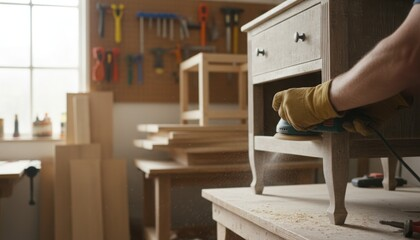
Cabinet Refinishing Modesto requires meticulous cleaning, sanding and priming to ensure veneers or laminates adhere properly. Unfortunately, some contractors take shortcuts or skip steps to save time or money – and they end up paying for it later with failed paint jobs.
Poor Preparation
Cabinet painting projects require a high level of skill, expertise, and preparation to provide beautiful, durable results. Whether the project is refacing, painting, or staining, a quality primer and paint are critical for lasting adhesion and durability. Many DIYers skip this step, resulting in poor results that shorten cabinet lifespans. Professionals use spray equipment and specialized primers to ensure smooth, factory-smooth surfaces that are ready for paint. Primer application, inspection for consistency, and extended drying periods in a controlled environment are critical to achieve quality results.
Wall paints are great for walls, but they’re total lightweights when it comes to cabinets. When exposed to kitchen humidity, they fail to withstand the wear-and-tear of daily use, eventually chipping and peeling. The right primer can make all the difference, ensuring proper adhesion and resisting moisture damage. Top-performing options include Dunn-Edwards Aristoshield and Benjamin Moore Advance.
If you’re changing the color of your cabinets, a high-quality stain-blocking primer is essential for long-lasting adhesion and preventing bleed-through. A good choice is Kilz Original or Zinsser BIN Shellac-based primer. They’re also effective at locking in tannins, which can cause discoloration over time.
Surface texture is another crucial factor in cabinet longevity. Uneven surfaces with bumps and rough patches aren’t just unsightly—they undermine the integrity of the finish. A thorough sanding before painting can eliminate these imperfections, allowing for even coating and a more durable finish.
While a few small measurement mistakes aren’t likely to ruin the finished look of your cabinets, oversized or misaligned doors and drawer fronts create gaps and uneven overlays that diminish appearance and function. Proper door and drawer front measurements are essential for ensuring perfect fit and alignment, but they require a high degree of skill and precision tools. Professionals use detailed measurements and proven processes to prevent these errors.
Most cabinet refinishing projects require at least two coats of paint to establish a thick, durable finish. A quality urethane or conversion varnish topcoat offers additional protection against moisture and everyday wear and tear, extending the life of your cabinets significantly. Adding this final step requires patience and care, as the surfaces must cure fully before handling.
Poor Adhesion
A fresh coat of paint can dramatically improve the appearance and durability of cabinetry. But if it starts to peel or chip too soon, there’s often an underlying issue. From improper prep work to environmental factors, there are a number of reasons why cabinets deteriorate more quickly than expected.
One of the most common cabinet refinishing mistakes that shortens their lifespan is using a low-quality paint. Higher-quality paints are formulated to resist wear and tear, providing a finish that stands up to regular use and lasts longer. By contrast, lower-quality paints are more prone to flaking and peeling, reducing their esthetic appeal and exposing the wood beneath to damage.
Another common problem is failing to properly clean and sand the cabinets before painting. Dirt, dust, and grime prevent paint from adhering to the surface, resulting in an uneven finish that’s more likely to peel. Additionally, sanding creates a rough surface that’s easier for the primer and paint to adhere to, making it essential for a smooth and durable result. Finally, using the wrong type of primer or skipping it altogether can also weaken paint adhesion, increasing the likelihood that it will begin to peel and crack prematurely.
Moisture is another factor that can affect the longevity of a cabinet’s paint job. In kitchens and bathrooms, humidity levels can cause the new paint to bubble and peel over time. This can be exacerbated by steam from cooking and dishwashers. Using moisture-resistant paint and primer can help mitigate these problems. Finally, using too many coats of paint or attempting to reassemble the cabinets before they’re fully dry can also cause adhesion issues.
The right cabinet refacing materials can significantly enhance the lifespan of your cabinets, rivaling that of complete replacement at a fraction of the cost. High-quality veneers and modern 3D laminates provide a durable bond that’s able to withstand the harsh conditions of Chicago’s climate without compromising integrity or beauty. Regular cleaning and the use of liners can also help keep your cabinets looking like new for years to come. If you’re ready to give your cabinetry a makeover, the experts at Home Depot can help. Their design specialists can walk you through veneer options and show you how to reface your cabinets safely, effectively, and affordably.
Poor Finish
Cabinets are a significant investment, so homeowners want them to last as long as possible. By properly maintaining cabinets and addressing any issues quickly, they can enjoy their functionality and aesthetic for years to come. However, there are some common cabinet refinishing mistakes that can shorten a cabinet’s lifespan.
Poorly-applied paint and stains are often the result of improper surface preparation or low-quality products. The first step is always cleaning the cabinets thoroughly to remove grease, oils, and kitchen grime that prevent the paint from adhering to the surface. Using a degreaser that actually breaks down the oils and doesn’t just push them around, as most household cleaners do, is crucial.
Once the cabinets are clean, sanding and priming is vital to create a surface that the new paint can grip. Skipping this step is a common mistake that leads to chipping, peeling, and general flaking over time.
The type of paint used is also important. Cabinets are exposed to heat, steam, and everyday wear, so it’s critical to use a high-quality product designed specifically for cabinetry and that withstands moisture. Applying multiple thin coats and allowing each one to dry completely between applications will create a smooth finish that is less likely to chip or peel.
A clear topcoat is essential to protect the cabinets from the moisture, heat, and everyday wear that can shorten their lifespan. The best choice is polyurethane, but there are other options as well. Choosing a durable, high-quality topcoat will allow you to avoid costly repairs and replacements in the future. It’s also wise to apply touch-ups to minor scratches, dings, or chips as soon as they occur. Many wood veneer and laminate manufacturers offer touch-up pens and kits designed specifically for their products to ensure a seamless repair. It’s also a good idea to check and tighten any loose hardware on a regular basis. Doing so can help prevent screws from loosening and falling out, which can lead to further damage.
Poor Installation
When cabinet refinishing is done correctly, it refreshes their appearance and prolongs their life. However, it’s important to avoid common pitfalls that can undermine the success of the project. These errors range from selecting the wrong products to improper preparation techniques. By understanding the pitfalls of cabinet refinishing, you can avoid them and have peace of mind knowing your project is in good hands.
Uneven walls and floors, crooked cabinets, loose or deteriorating hardware and other issues can make your renovation project a disaster. Whether your cabinets are new or old, these problems can shorten their lifespan and diminish their aesthetic. The best way to protect against these issues is to hire a contractor that offers a comprehensive contract with a detailed scope of work, payment schedule, warranty information and dispute resolution process.
Aside from hiring a qualified contractor, proper cabinet installation is critical to a successful renovation project. Effective cabinet installation tips include taking measurements twice, ordering custom panels if necessary, ensuring the correct dimensions and mounting of appliances, coordinating electrical and plumbing locations, planning for any gaps and finishing touches such as trim or moldings.
Regular cleaning is also key to prolonging the lifespan of your cabinets. Wiping away greasy fingerprints, dust and dirt regularly keeps surfaces free from build-up that can erode finishes. Regularly checking for signs of water damage such as soft spots or a musty smell and fixing them immediately can prevent extensive damage, especially in wood cabinets.
Refinishing your cabinets can transform the look and feel of your kitchen and add value to your home. But it’s important to avoid the cabinet refinishing mistakes we have listed above to get the most longevity from your investment. By avoiding these errors, you can create a kitchen that is a joy to use and cherish for decades to come.