Renovation vs. New Construction: How a General Contractor Helps You Decide

When it comes to transforming a property, one of the most significant decisions you’ll face is whether to renovate an existing structure or start fresh with new construction. This choice is rarely straightforward. It involves weighing financial considerations, design flexibility, structural limitations, and long-term goals. For both homeowners and commercial property owners, the stakes are high, and the path forward can feel uncertain. This is precisely where a general contractor becomes an invaluable resource—offering clarity, expertise, and strategic guidance throughout the decision-making process.
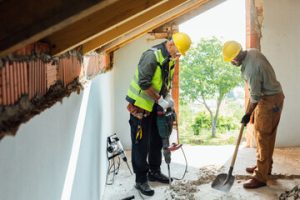
general contractor

At first glance, renovation may seem like the more practical option. It allows you to preserve the existing structure while updating specific areas to meet modern standards or personal preferences. Renovation projects can range from minor cosmetic upgrades to extensive overhauls that involve structural changes. On the other hand, new construction provides a blank slate, offering complete freedom to design a space from the ground up. While this approach can be more costly and time-intensive, it often results in a highly customized outcome that aligns perfectly with your vision. Explore https://jrcsi.com/ for additional information.

A general contractor plays a critical role in evaluating these options by conducting a comprehensive assessment of your property. This involves examining the current condition of the structure, identifying potential challenges, and determining the feasibility of renovation versus rebuilding. For example, if the existing foundation or framework has significant issues, renovation may require extensive repairs that could rival the cost of new construction. In such cases, starting from scratch might be the more practical and cost-effective solution.

Cost is often the primary factor influencing the decision between renovation and new construction. While renovations are generally perceived as more affordable, this is not always the case. Hidden issues such as outdated wiring, plumbing problems, or structural damage can quickly escalate costs. A general contractor helps you develop a realistic budget by providing detailed estimates for both options. They also account for contingencies, ensuring that you are financially prepared for unexpected developments. This level of financial clarity is essential for making an informed decision.

Time is another crucial consideration. Renovation projects can sometimes be completed more quickly than new construction, especially if the changes are limited in scope. However, complex renovations that involve structural modifications or extensive upgrades can take just as long—or even longer—than building a new structure. A general contractor creates a detailed timeline for each option, outlining the stages of construction and identifying potential delays. This allows you to evaluate which approach aligns better with your schedule and priorities.

Design flexibility is an area where new construction often has a clear advantage. Starting from the ground up allows you to incorporate modern layouts, energy-efficient systems, and advanced technologies without the constraints of an existing structure. However, renovations can still offer significant design opportunities, particularly when guided by an experienced general contractor. They can suggest creative solutions to maximize space, improve functionality, and enhance aesthetics while working within the limitations of the current building.

To better understand the key differences between renovation and new construction, consider the following factors:

  1. Structural Integrity: Renovations depend on the condition of the existing structure, while new construction eliminates concerns about outdated or damaged components.
  2. Customization: New construction offers complete design freedom, whereas renovations may require compromises due to existing layouts and features.
  3. Cost Variability: Renovations can involve unpredictable expenses, while new construction typically provides more consistent cost projections.
  4. Timeline: Renovations may be quicker for smaller projects, but large-scale renovations can rival or exceed the duration of new construction.

These factors highlight the importance of a thorough evaluation before making a decision. A general contractor brings the expertise needed to analyze each aspect and provide recommendations tailored to your specific situation.

Another critical element in this decision is compliance with building codes and regulations. Renovation projects often require updates to meet current standards, which can add complexity and cost. New construction, while also subject to regulations, allows for easier compliance since everything is built to modern specifications from the outset. A general contractor navigates these requirements on your behalf, ensuring that your project adheres to all standards and avoids potential complications.

Sustainability and energy efficiency are increasingly important considerations for property owners. New construction provides the opportunity to integrate energy-efficient systems, sustainable materials, and advanced insulation techniques. However, renovations can also achieve significant improvements in efficiency through upgrades such as modern windows, insulation, and energy-saving fixtures. A general contractor can help you evaluate the environmental impact of each option and recommend solutions that align with your sustainability goals.

Emotional and practical factors also play a role in the decision-making process. For homeowners, renovating an existing property may hold sentimental value, preserving the character and history of the space. In contrast, new construction offers the excitement of creating something entirely new and tailored to your needs. A general contractor understands these perspectives and works to balance emotional considerations with practical realities, helping you arrive at a decision that feels right on all levels.

Risk management is another area where a general contractor adds significant value. Renovation projects often involve uncertainties, such as uncovering hidden damage or dealing with outdated construction methods. These risks can lead to delays and increased costs if not managed properly. New construction, while generally more predictable, still involves challenges such as site preparation and material availability. A general contractor anticipates these risks and implements strategies to mitigate them, ensuring a smoother process regardless of the chosen path.

For commercial projects, the decision between renovation and new construction can have a direct impact on business operations. Renovations may allow businesses to remain partially operational during the project, while new construction typically requires a separate site or temporary relocation. A general contractor evaluates these logistical considerations and develops a plan that minimizes disruption while achieving the desired outcome. This strategic approach is essential for maintaining productivity and meeting business objectives.

In residential projects, lifestyle considerations often influence the decision. Renovations may allow homeowners to remain in their property during construction, depending on the scope of work. However, extensive renovations can be disruptive and may require temporary relocation. New construction, while offering a fresh start, involves a longer timeline before the property is ready for occupancy. A general contractor helps you weigh these factors and plan accordingly, ensuring that your living arrangements are managed effectively.

To make the decision process more structured, consider the following steps with the guidance of a general contractor:

  1. Conduct a Property Assessment: Evaluate the current condition of the structure to identify strengths and weaknesses.
  2. Define Your Goals: Determine whether your priority is cost savings, customization, or long-term value.
  3. Compare Budgets and Timelines: Analyze the financial and time implications of both options.
  4. Evaluate Long-Term Benefits: Consider factors such as maintenance, energy efficiency, and resale value.

By following these steps, you can approach the decision with greater confidence and clarity.

Ultimately, the choice between renovation and new construction depends on a combination of factors unique to your situation. There is no one-size-fits-all answer, which is why the expertise of a general contractor is so valuable. They provide a balanced perspective, combining technical knowledge with practical experience to guide you toward the best possible outcome.

In conclusion, deciding between renovation and new construction is a complex process that requires careful consideration of multiple variables. From cost and timeline to design flexibility and structural integrity, each factor plays a crucial role in shaping the final decision. A general contractor serves as a trusted advisor, helping you navigate these complexities with confidence. By leveraging their expertise, you can make an informed choice that aligns with your goals, maximizes your investment, and delivers a space that meets your needs for years to come.


The Timeline for Commercial Electrical Installation Projects

Electrical work is complicated, but a well-planned project prevents costly mid-project changes. This guide explains the steps needed to lay an invisible foundation for your building’s power systems, from service entrances to distribution panels and beyond.

Electrical projects start long before wires are run, when load requirements are calculated, wiring layouts are designed, and materials are selected. Getting this part right sets the project up for success.

1. Design

Commercial Electrical Installation

A solid timeline gives each part of the job its place, keeps crews focused on what needs to be done next, and reduces the chance that critical steps get missed or delayed. A great project schedule starts long before the first wire is run, with load requirements getting calculated, electrical drawings completed, materials ordered, and necessary permits submitted.

Commercial electrical projects require far more power than residential ones, and systems must work safely all day, every day. Effective planning lowers the risk of overloads, sparks, or damaged equipment and ensures that all system components are properly sized for maximum safety and performance.

Energy-efficient features are increasingly popular in commercial buildings, and can qualify businesses for incentives and tax breaks. The installation of smart lighting, energy management systems, and other sustainable power solutions provides cost-effective benefits with minimal compromises on quality or safety. Backup power systems are also in high demand, allowing businesses to continue operations during power outages.

2. Planning

Commercial electrical systems require more power than residential systems, and they must meet stricter safety standards. Effective planning is the key to a strong design that supports a smooth construction process and reliable final installation.

The planning phase starts long before wires are run. This is when electrical engineers, like RSVC, create detailed plans and liaise with other team members to resolve potential issues. It’s also when load requirements get calculated, electrical drawings are made, materials and equipment are selected, and permits are applied for.

It’s a critical part of the project that prevents costly redesigns, inspection delays, and last-minute surprises. It also ensures that power is available where it’s needed. For example, it’s easy to underestimate the number of workstations or machinery in a new office build, and failing to factor in these needs can result in overloaded circuits or inefficient layouts. This is where experienced electrical contractors like RSVC can save you money and frustration with detailed estimates that reflect real-world expectations. These estimates are often used to calculate production costs – the direct cost of materials like wiring and panels, labor expenses and supervisory fees, and equipment rentals – alongside non-production costs like supervision, permitting and waste disposal.

3. Preparation

Long before wires get run, licensed electricians work with architects and engineers to ensure electrical needs align with building layouts, power requirements, and overall project goals. This collaboration reduces rework and delays once construction gets underway.

The preparation phase also includes reviewing load calculations, examining drawings, and choosing materials and equipment. Since commercial buildings rely on a complex ecosystem of wiring, lighting, power distribution systems, and specialty equipment, this phase is crucial to ensure safe operation.

Unlike residential wiring, which runs through simple Romex cables tucked under walls, commercial wiring must be protected with conduits and raceways. This adds a level of durability, safety, and accessibility that keeps workers and customers protected from overloads and fire hazards. It also supports scalability as businesses grow and need to add new machinery, automation, and energy efficiency upgrades.

4. Installation

Commercial electrical systems are more complex than residential wiring, requiring specialized expertise and adherence to strict safety standards. Building a reliable system begins with effective planning and design. Detailed plans define power routes and prevent overloads, while establishing energy efficiency to reduce costs over time.

During the installation phase, electricians roll up their sleeves to start wiring the property according to the blueprint. This is a hands-on, intricate process, with each conduit and outlet being fitted carefully. Each circuit must be clearly labelled to facilitate future maintenance and troubleshooting.

This phase also includes establishing temporary power, a critical element that helps businesses operate while construction continues. Contractors like RSVC coordinate with structural teams to place electrical pathways within concrete slabs before they’re poured, avoiding costly delays and corrections later. The final step is rigorous testing, which checks that all components function correctly and safely. Using tools like multimeters and insulation testers, professionals verify connections, measure voltage and current levels, and conduct safety inspections to maintain compliance with regulations. The results are documented and recorded for future reference.

5. Testing

Electrical systems are critical in commercial settings, supporting everything from lighting and power outlets to specialized systems like security alarms and data cabling. Choosing a commercial electrician with the right skills and experience ensures that your business can operate smoothly and safely.

Installation is where planning turns into action, transforming blueprints and designs into functional electrical systems. This includes running wiring, installing lighting and outlets, setting up distribution panels, and connecting specialized systems. It also involves implementing energy-efficient solutions, including integrated lighting controls and smart power monitoring.

Before electrical systems can go live, they undergo a rigorous testing phase. This includes insulation resistance, continuity, and earth fault loop impedance tests. These tests help identify any potential issues and support documentation needed for inspections, handoffs, or asset management records.

This is a crucial stage for making sure the work meets local regulations, which often include adjusting standards like the National Electrical Code and California Electrical Code to account for unique requirements, such as sustainable practices and energy efficiency. Careful scheduling keeps trades lined up to avoid clashes and ensures that all necessary steps are completed in order.

6. Commissioning

The installation phase puts the project’s plans into action, transforming design drawings into functional electrical systems. It involves a great deal of meticulous work, including mounting and connecting the components that will distribute power throughout the facility. It also includes running wiring through cable containment systems, a process that requires specialized rigging equipment for heavier cables, and connecting switches, receptacles, and lighting fixtures.

Once the equipment is installed, circuit and system testing occurs to verify that all components are functioning properly. This is a critical phase to ensure that all systems meet safety regulations and operate according to design specifications.

Once testing and verification are complete, the commissioning phase begins to validate that all building systems work as intended. This ensures that HVAC, plumbing, electrical, and life safety systems meet performance standards and comply with regulations before occupancy. This also helps identify any deficiencies that need to be corrected to improve the functionality and efficiency of the building systems.

7. Final Inspections

Electrical work must meet strict safety codes before it’s turned on for business use. This phase of the project requires meticulous planning and expert execution to ensure that the system is ready for daily operation.

This planning includes understanding real power needs and designing wiring layouts that match those needs. It also involves creating safe circuits, such as properly sized wires that can safely carry the electrical load for your building’s various uses and equipment.

Licensed electricians also follow strict safety rules to protect their workers and customers. In contrast to the simple Romex cables tucked behind homes, commercial wiring runs through metal conduits and raceways that improve durability, safety, and accessibility for future modifications.

This stage of the process also includes obtaining necessary permits and scheduling progress and special inspections with NYC’s Department of Buildings (DOB). The contractor must hire a Special Inspection Agency to perform these, then submit reports online. Failure to pass a final inspection can result in costly delays and setbacks. A robust checklist with clear milestones and timelines helps to prevent these snags.

8. Final Handoff

The installation phase is where planning turns into action, transforming designs into functional electrical systems. This involves running wiring, installing lighting and outlets, setting up distribution panels, connecting specialized systems, and more. It requires meticulous attention to detail and strict adherence to safety rules.

Commercial electrical work demands a greater depth of knowledge and skills than residential work. This is especially true when it comes to understanding power needs and ensuring that circuits meet real-world requirements. Every business uses electricity differently. Offices need strong computer circuits, restaurants need heavy duty appliances, warehouses need equipment chargers and bright lights, and data centers require high-performance servers with a lot of power. This is why it’s important to work with licensed electricians who understand the difference between a single-phase residential system and a three-phase commercial system.

This is also why it’s important to plan your project properly. By following a clear timeline, you can prevent costly mid-project changes. This includes establishing temporary power sources like generators or construction site power poles, and scheduling electrical pathways within concrete slabs before they’re poured. This requires coordination with structural teams and helps avoid the need for jackhammers to correct mistakes later.

Clearing the Air: Why Air Duct Cleaning Services Matter More Than You Think

When people think about maintaining a clean and healthy home, they often focus on visible surfaces such as floors, countertops, and furniture. However, one of the most overlooked areas is also one of the most impactful: the air duct system. Hidden behind walls and ceilings, air ducts play a critical role in circulating air throughout a home. Over time, these systems can accumulate dust, debris, allergens, and even microbial contaminants, affecting both air quality and system efficiency.

air duct cleaning

Air Duct Cleaning Utah services are designed to address this hidden buildup, offering a deeper level of maintenance that goes beyond traditional cleaning routines. Rather than simply improving cleanliness, these services contribute to healthier indoor environments, improved energy efficiency, and longer-lasting HVAC systems. Understanding their importance requires a closer look at how air ducts function and how contaminants can affect both comfort and well-being.

How Air Duct Systems Influence Indoor Environments

Air ducts serve as the pathways through which heated or cooled air travels from HVAC systems into different areas of a home. Every time the system operates, air is pushed through these ducts, carrying with it any particles that may be present inside.

Over time, dust, pet dander, pollen, and other airborne contaminants can settle within the ductwork. As the system continues to run, these particles can be recirculated throughout the home, contributing to poor indoor air quality. This is especially concerning in environments where occupants may already be sensitive to allergens or respiratory irritants.

Because air ducts are not easily visible or accessible, this buildup often goes unnoticed until it begins to affect comfort, cleanliness, or health.

The Hidden Accumulation of Contaminants

Air ducts can act as reservoirs for a wide range of contaminants. In addition to common household dust, they may also harbor mold spores, bacteria, and even small debris from construction or renovation activities. Moisture within the system can further exacerbate these issues, creating conditions that allow microbial growth to thrive.

This accumulation does not happen overnight. It is the result of continuous airflow and gradual deposition of particles over time. Without regular cleaning, the buildup can reach levels that significantly impact both air quality and system performance.

Key types of contaminants commonly found in air ducts include:

  1. Dust and debris, which can settle and accumulate over extended periods.
  2. Allergens and pollutants, such as pollen and pet dander, that are introduced into the system through daily activities.

Addressing these contaminants requires specialized cleaning methods that go beyond surface-level solutions.

Improving Indoor Air Quality Through Duct Cleaning

One of the primary benefits of air duct cleaning services is the improvement of indoor air quality. By removing accumulated contaminants from the ductwork, these services help ensure that the air circulating throughout the home is cleaner and healthier.

Improved air quality can have a noticeable impact on comfort and well-being. Reduced levels of dust and allergens can alleviate symptoms such as sneezing, coughing, and irritation. For individuals with respiratory conditions, cleaner air can contribute to better overall health and quality of life.

In addition to health benefits, cleaner air also enhances the overall living experience, creating an environment that feels fresher and more comfortable.

Enhancing HVAC System Efficiency

Air duct cleaning is not just about air quality—it also plays a significant role in the efficiency of HVAC systems. When ducts are clogged with dust and debris, airflow is restricted, forcing the system to work harder to maintain the desired temperature.

This increased workload can lead to higher energy consumption and increased wear and tear on system components. Over time, this can result in reduced efficiency, higher utility bills, and a shorter lifespan for the equipment.

By removing obstructions and ensuring smooth airflow, air duct cleaning helps optimize system performance. This leads to more efficient operation, consistent temperature control, and potential cost savings on energy bills.

Signs That Your Air Ducts Need Cleaning

Because air ducts are hidden from view, it can be difficult to determine when they need cleaning. However, there are several indicators that may suggest the presence of buildup or contamination within the system.

Common signs include:

  1. Excessive dust accumulation, even after regular cleaning of surfaces.
  2. Unusual odors, particularly when the HVAC system is running.
  3. Inconsistent airflow, with some areas receiving less air than others.
  4. Increased allergy symptoms, especially when indoors.

Recognizing these signs early can help homeowners take action before the problem worsens.

The Professional Cleaning Process

Air duct cleaning services involve a systematic process designed to remove contaminants thoroughly and safely. Professionals use specialized equipment to access and clean the entire duct system, including vents, registers, and internal components.

The process typically begins with an inspection to assess the condition of the ducts and identify areas of concern. This is followed by the use of powerful vacuum systems and agitation tools to dislodge and remove debris. In some cases, additional treatments may be applied to address microbial growth or odors.

This comprehensive approach ensures that all parts of the system are cleaned effectively, leaving the ductwork free of contaminants and ready to operate efficiently.

The Importance of Professional Expertise

While some homeowners may consider attempting to clean air ducts themselves, the complexity of the system makes professional expertise essential. Air ducts are often difficult to access, and improper cleaning methods can lead to damage or incomplete results.

Professional technicians are trained to navigate these challenges, using the right tools and techniques to achieve thorough cleaning without compromising the system. Their expertise ensures that all components are addressed and that the cleaning process meets industry standards.

Relying on professionals not only improves results but also provides peace of mind, knowing that the job has been done correctly.

Long-Term Benefits of Regular Maintenance

Air duct cleaning is not a one-time solution but part of a broader maintenance strategy. Regular cleaning helps prevent the buildup of contaminants, maintaining both air quality and system efficiency over time.

Long-term benefits of routine air duct cleaning include:

  1. Reduced maintenance costs, as the HVAC system operates more efficiently and experiences less wear.
  2. Consistent indoor comfort, with improved airflow and temperature distribution.

By incorporating air duct cleaning into regular home maintenance, homeowners can enjoy sustained benefits and avoid the issues associated with neglect.

Supporting a Healthier Living Environment

A clean air duct system contributes to a healthier living environment by reducing exposure to airborne contaminants. This is particularly important in households with children, elderly individuals, or those with sensitivities to allergens.

In addition to physical health benefits, cleaner air can also enhance mental well-being. A fresh and comfortable environment promotes relaxation and reduces stress, making the home a more enjoyable place to live.

This holistic impact underscores the importance of addressing air quality as part of overall home care.

A Strategic Investment in Home Care

Air duct cleaning services represent a strategic investment in both the home and the well-being of its occupants. While they may not always be at the top of a homeowner’s priority list, their impact is far-reaching and long-lasting.

By improving air quality, enhancing system efficiency, and supporting overall health, these services provide value that extends beyond immediate results. They help create a home environment that is not only clean but also comfortable, efficient, and sustainable.

Conclusion

Air duct cleaning services play a vital role in maintaining a healthy and efficient home environment. By addressing hidden contaminants within the duct system, they improve indoor air quality, enhance HVAC performance, and contribute to long-term comfort and well-being.

From reducing allergens and odors to optimizing energy efficiency and extending system lifespan, the benefits of air duct cleaning are both practical and impactful. When performed by skilled professionals, these services provide a level of thoroughness and reliability that cannot be achieved through basic maintenance alone.

Ultimately, investing in air duct cleaning is about more than just cleanliness—it is about creating a living space that supports health, efficiency, and peace of mind. With regular maintenance and professional care, homeowners can ensure that the air they breathe is as clean and refreshing as the environment they strive to maintain.