A reliable water heater makes everyday activities such as showering, washing dishes, and doing laundry more convenient and comfortable. When the system stops producing enough hot water, begins leaking, or starts making unusual noises, the problem can quickly disrupt normal household routines. Some water heater issues develop gradually as components wear out, while others appear suddenly and require immediate attention. Water Heater Repair Westminster can restore proper operation when the underlying problem can be safely and economically corrected. Understanding common water heater problems, repair options, and warning signs can help homeowners decide when it is time to schedule professional service.
What Are the Most Common Water Heater Problems?
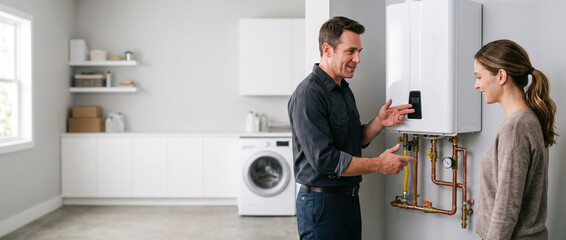
A lack of hot water is one of the most noticeable signs that a water heater is experiencing trouble. Electric models may have problems involving heating elements, thermostats, electrical connections, or power supply components. Gas-fired systems can experience different issues involving ignition, burners, controls, or the fuel supply. Because several components can produce similar symptoms, accurate diagnosis is important before replacing parts. A professional inspection can determine why the unit is no longer heating water correctly.
Inconsistent water temperature is another common problem. Homeowners may notice that hot water runs out more quickly than before, never becomes warm enough, or becomes excessively hot. Sediment buildup, faulty controls, deteriorating heating components, and other mechanical conditions can affect temperature performance. Changes in household demand can sometimes contribute as well, particularly when an older unit is already operating near its capacity. Identifying the cause helps determine whether repair, maintenance, or replacement is the appropriate solution.
What Are the Signs Your Water Heater Needs Repair?
Visible water around the heater should always be investigated. Moisture can originate from pipe connections, valves, fittings, or other serviceable components, but leakage from the tank itself may indicate a more serious problem. Even a relatively small leak can damage flooring, drywall, cabinetry, and nearby belongings if it continues unnoticed. Water may also spread beneath finished surfaces where the extent of the damage is difficult to see. Prompt inspection helps identify the source before additional property damage occurs.
Unusual noises can also indicate that the water heater needs attention. Popping, rumbling, or crackling sounds may develop when sediment accumulates inside certain tank-style systems and interferes with normal heating. Other noises can result from water pressure, expanding materials, or components that require inspection. A change from the heater’s normal operating sounds is worth monitoring, especially when accompanied by temperature or performance problems. Professional evaluation can distinguish normal operating noise from a developing mechanical issue.
How Does the Water Heater Repair Process Work?
Water heater repair generally begins with an inspection of the unit and its surrounding connections. The technician considers the symptoms reported by the homeowner and evaluates the components most likely to be responsible. Depending on the type of water heater, this can involve checking electrical components, controls, valves, heating elements, ignition systems, burners, or plumbing connections. The age and overall condition of the equipment are also considered. Accurate diagnosis helps avoid replacing parts that are still functioning properly.
Once the cause has been identified, the appropriate repair can be discussed and completed when practical. The water or energy supply may need to be shut off before work begins to create safe service conditions. Damaged or malfunctioning components are then repaired or replaced as appropriate for the system. Afterward, the heater should be tested to confirm proper operation and check for leaks or other remaining concerns. Thorough testing is an important final step in any repair.
Can a Leaking Water Heater Be Repaired?
Whether a leaking water heater can be repaired depends on where the water is coming from. Loose plumbing connections, certain valves, or other external components may sometimes be repaired or replaced without changing the entire heater. Identifying the exact source is important because water can travel along pipes or surfaces before reaching the floor. What appears to be a leaking tank may occasionally originate from another component. A careful inspection provides a more reliable diagnosis.
A tank that has developed a significant internal leak is a different situation. Corrosion or deterioration of the tank itself generally cannot be treated like a simple fitting or valve repair. In these cases, replacement of the water heater may be the more appropriate solution. Continuing to operate a seriously leaking unit can increase the risk of water damage. Homeowners should seek prompt professional assistance when water is accumulating around the appliance.
Why Is My Water Heater Not Producing Enough Hot Water?
Insufficient hot water can develop for several reasons. A heating component may no longer be operating correctly, temperature controls may need attention, or sediment accumulation may be affecting performance in a tank-style heater. Household hot-water demand can also exceed the capacity of the system, especially when several fixtures or appliances are used close together. The problem may therefore involve equipment condition, system sizing, or both. Proper diagnosis helps avoid assuming the heater has completely failed.
The age of the water heater should also be considered when performance begins declining. Components naturally wear over time, and older systems may require increasingly frequent repairs. Maintenance history can influence performance as well, particularly when sediment has been allowed to accumulate for long periods. A technician can evaluate whether a specific repair is likely to restore reliable service. This information helps homeowners make a more informed decision about the equipment.
When Is Repair Better Than Water Heater Replacement?
Repair may be practical when the water heater is otherwise in good condition and the problem involves a serviceable component. Replacing a malfunctioning thermostat, heating element, valve, or similar part can sometimes restore normal operation without the expense of a new system. The cost and complexity of the repair should be considered alongside the heater’s age and maintenance history. A relatively straightforward repair on a dependable unit can provide good value. Each situation should be evaluated individually.
Replacement may make more sense when the tank is leaking, corrosion is extensive, repairs have become frequent, or the unit is approaching the end of its practical service life. Investing repeatedly in an aging system can become less economical over time. A newer unit may also better match the household’s current hot-water needs. Comparing repair costs with the condition and expected remaining life of the existing heater provides a useful decision-making framework. The cheapest immediate option is not always the least expensive long-term choice.
Can Regular Maintenance Prevent Water Heater Repairs?
Routine maintenance can help reduce certain water heater problems and reveal developing issues before they cause a complete loss of hot water. Tank-style systems may benefit from maintenance related to sediment accumulation, valves, connections, and other components according to manufacturer recommendations. Regular observation can also identify small leaks or corrosion before significant water damage occurs. Maintenance requirements differ among conventional tank, tankless, gas, and electric systems. Following the recommendations for the specific equipment is important.
Homeowners can also monitor changes in everyday performance. Longer heating times, fluctuating temperatures, unusual sounds, visible corrosion, and unexplained moisture should not be ignored simply because the heater still operates. Small changes can provide early warning that a component is beginning to fail. Addressing these symptoms early may allow a simpler repair. Preventive attention can help reduce the likelihood of an unexpected hot-water emergency.
Why Should Water Heater Repair Be Handled Professionally?
Water heaters combine plumbing with electricity, gas, combustion, high temperatures, or pressurized water depending on the system. Incorrect repairs can therefore create hazards in addition to causing further equipment damage. Professional technicians have the tools and knowledge needed to isolate energy sources, test components, and determine why the system is malfunctioning. They can also evaluate whether a repair can be completed safely and appropriately. This is especially important when the problem involves gas, electrical components, pressure controls, or significant leakage.
Professional service also helps identify related issues that may not be obvious from the original symptom. A temperature problem, for example, may have several potential causes that require testing to distinguish. Simply replacing the first suspected component can waste time and money if another issue is responsible. A systematic diagnosis provides a clearer understanding of the heater’s overall condition. Proper repair should restore performance without overlooking safety or reliability concerns.
What Should You Do During a Water Heater Emergency?
A major leak requires quick action because water can spread rapidly through surrounding areas. If it can be done safely, the water supply to the heater may need to be shut off to reduce continued leakage. Homeowners should avoid standing water near electrical equipment or attempting repairs involving energized components. Gas odors or other signs of a potentially hazardous fuel-related problem require additional caution. Emergency conditions should be handled according to appropriate safety procedures and professional guidance.
After the immediate source has been controlled, the surrounding area should be checked for water damage. Flooring, walls, stored belongings, and nearby equipment may require drying or additional attention depending on the extent of the leak. The water heater should be inspected before being returned to normal service if its condition is uncertain. Emergency repair is not only about restoring hot water but also about protecting the property from additional damage. Prompt response can significantly reduce the consequences of a sudden failure.
Final Thoughts
Water heater repair can resolve many common problems involving inconsistent temperatures, inadequate hot water, malfunctioning components, unusual noises, and certain types of leaks. The right solution begins with identifying the actual cause and evaluating the overall condition of the equipment. While serviceable components can often be repaired or replaced, a severely deteriorated or leaking tank may make water heater replacement the more practical option. Routine maintenance and attention to early warning signs can help reduce unexpected failures and extend reliable performance. When a water heater develops significant plumbing, gas, electrical, or pressure-related problems, professional service provides the safest path toward restoring dependable hot water.