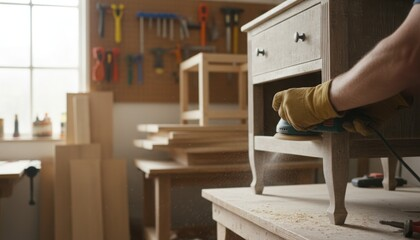
Cabinet Refinishing Mistakes That Shorten Cabinet Lifespan

Cabinet Refinishing Modesto

If you’re thinking about refreshing your cabinet style with the latest trends, be sure to choose a design that has staying power. Otherwise, your refreshed cabinets might be back to looking dated in just a few years.

Cabinet Refinishing Modesto requires meticulous cleaning, sanding and priming to ensure veneers or laminates adhere properly. Unfortunately, some contractors take shortcuts or skip steps to save time or money – and they end up paying for it later with failed paint jobs.

Poor Preparation

Cabinet painting projects require a high level of skill, expertise, and preparation to provide beautiful, durable results. Whether the project is refacing, painting, or staining, a quality primer and paint are critical for lasting adhesion and durability. Many DIYers skip this step, resulting in poor results that shorten cabinet lifespans. Professionals use spray equipment and specialized primers to ensure smooth, factory-smooth surfaces that are ready for paint. Primer application, inspection for consistency, and extended drying periods in a controlled environment are critical to achieve quality results.

Wall paints are great for walls, but they’re total lightweights when it comes to cabinets. When exposed to kitchen humidity, they fail to withstand the wear-and-tear of daily use, eventually chipping and peeling. The right primer can make all the difference, ensuring proper adhesion and resisting moisture damage. Top-performing options include Dunn-Edwards Aristoshield and Benjamin Moore Advance.

If you’re changing the color of your cabinets, a high-quality stain-blocking primer is essential for long-lasting adhesion and preventing bleed-through. A good choice is Kilz Original or Zinsser BIN Shellac-based primer. They’re also effective at locking in tannins, which can cause discoloration over time.

Surface texture is another crucial factor in cabinet longevity. Uneven surfaces with bumps and rough patches aren’t just unsightly—they undermine the integrity of the finish. A thorough sanding before painting can eliminate these imperfections, allowing for even coating and a more durable finish.

While a few small measurement mistakes aren’t likely to ruin the finished look of your cabinets, oversized or misaligned doors and drawer fronts create gaps and uneven overlays that diminish appearance and function. Proper door and drawer front measurements are essential for ensuring perfect fit and alignment, but they require a high degree of skill and precision tools. Professionals use detailed measurements and proven processes to prevent these errors.

Most cabinet refinishing projects require at least two coats of paint to establish a thick, durable finish. A quality urethane or conversion varnish topcoat offers additional protection against moisture and everyday wear and tear, extending the life of your cabinets significantly. Adding this final step requires patience and care, as the surfaces must cure fully before handling.

Poor Adhesion

A fresh coat of paint can dramatically improve the appearance and durability of cabinetry. But if it starts to peel or chip too soon, there’s often an underlying issue. From improper prep work to environmental factors, there are a number of reasons why cabinets deteriorate more quickly than expected.

One of the most common cabinet refinishing mistakes that shortens their lifespan is using a low-quality paint. Higher-quality paints are formulated to resist wear and tear, providing a finish that stands up to regular use and lasts longer. By contrast, lower-quality paints are more prone to flaking and peeling, reducing their esthetic appeal and exposing the wood beneath to damage.

Another common problem is failing to properly clean and sand the cabinets before painting. Dirt, dust, and grime prevent paint from adhering to the surface, resulting in an uneven finish that’s more likely to peel. Additionally, sanding creates a rough surface that’s easier for the primer and paint to adhere to, making it essential for a smooth and durable result. Finally, using the wrong type of primer or skipping it altogether can also weaken paint adhesion, increasing the likelihood that it will begin to peel and crack prematurely.

Moisture is another factor that can affect the longevity of a cabinet’s paint job. In kitchens and bathrooms, humidity levels can cause the new paint to bubble and peel over time. This can be exacerbated by steam from cooking and dishwashers. Using moisture-resistant paint and primer can help mitigate these problems. Finally, using too many coats of paint or attempting to reassemble the cabinets before they’re fully dry can also cause adhesion issues.

The right cabinet refacing materials can significantly enhance the lifespan of your cabinets, rivaling that of complete replacement at a fraction of the cost. High-quality veneers and modern 3D laminates provide a durable bond that’s able to withstand the harsh conditions of Chicago’s climate without compromising integrity or beauty. Regular cleaning and the use of liners can also help keep your cabinets looking like new for years to come. If you’re ready to give your cabinetry a makeover, the experts at Home Depot can help. Their design specialists can walk you through veneer options and show you how to reface your cabinets safely, effectively, and affordably.

Poor Finish

Cabinets are a significant investment, so homeowners want them to last as long as possible. By properly maintaining cabinets and addressing any issues quickly, they can enjoy their functionality and aesthetic for years to come. However, there are some common cabinet refinishing mistakes that can shorten a cabinet’s lifespan.

Poorly-applied paint and stains are often the result of improper surface preparation or low-quality products. The first step is always cleaning the cabinets thoroughly to remove grease, oils, and kitchen grime that prevent the paint from adhering to the surface. Using a degreaser that actually breaks down the oils and doesn’t just push them around, as most household cleaners do, is crucial.

Once the cabinets are clean, sanding and priming is vital to create a surface that the new paint can grip. Skipping this step is a common mistake that leads to chipping, peeling, and general flaking over time.

The type of paint used is also important. Cabinets are exposed to heat, steam, and everyday wear, so it’s critical to use a high-quality product designed specifically for cabinetry and that withstands moisture. Applying multiple thin coats and allowing each one to dry completely between applications will create a smooth finish that is less likely to chip or peel.

A clear topcoat is essential to protect the cabinets from the moisture, heat, and everyday wear that can shorten their lifespan. The best choice is polyurethane, but there are other options as well. Choosing a durable, high-quality topcoat will allow you to avoid costly repairs and replacements in the future. It’s also wise to apply touch-ups to minor scratches, dings, or chips as soon as they occur. Many wood veneer and laminate manufacturers offer touch-up pens and kits designed specifically for their products to ensure a seamless repair. It’s also a good idea to check and tighten any loose hardware on a regular basis. Doing so can help prevent screws from loosening and falling out, which can lead to further damage.

Poor Installation

When cabinet refinishing is done correctly, it refreshes their appearance and prolongs their life. However, it’s important to avoid common pitfalls that can undermine the success of the project. These errors range from selecting the wrong products to improper preparation techniques. By understanding the pitfalls of cabinet refinishing, you can avoid them and have peace of mind knowing your project is in good hands.

Uneven walls and floors, crooked cabinets, loose or deteriorating hardware and other issues can make your renovation project a disaster. Whether your cabinets are new or old, these problems can shorten their lifespan and diminish their aesthetic. The best way to protect against these issues is to hire a contractor that offers a comprehensive contract with a detailed scope of work, payment schedule, warranty information and dispute resolution process.

Aside from hiring a qualified contractor, proper cabinet installation is critical to a successful renovation project. Effective cabinet installation tips include taking measurements twice, ordering custom panels if necessary, ensuring the correct dimensions and mounting of appliances, coordinating electrical and plumbing locations, planning for any gaps and finishing touches such as trim or moldings.

Regular cleaning is also key to prolonging the lifespan of your cabinets. Wiping away greasy fingerprints, dust and dirt regularly keeps surfaces free from build-up that can erode finishes. Regularly checking for signs of water damage such as soft spots or a musty smell and fixing them immediately can prevent extensive damage, especially in wood cabinets.

Refinishing your cabinets can transform the look and feel of your kitchen and add value to your home. But it’s important to avoid the cabinet refinishing mistakes we have listed above to get the most longevity from your investment. By avoiding these errors, you can create a kitchen that is a joy to use and cherish for decades to come.

The Hidden Art of Cabinet Refinishing for Modern Homes

Cabinet Refinishing Sacramento can completely change how a room feels and it is a process that blends skill with design. Instead of full replacement, it gives new life to existing structures and this makes it both creative and resourceful. The practice of refinishing is far older than many realize because in earlier times, families treated cabinetry as heirlooms. Instead of discarding, they refreshed the wood and finish, and this tradition continues but has now evolved with style.

Cabinet Refinishing

One of the fascinating aspects is surface preparation since a cabinet must be cleaned deeply before any step. Residues of grease or dust affect adhesion badly, so patience during this stage prevents costly imperfections later. Sanding is often viewed as tedious yet rewarding because the process reveals the raw beauty beneath layers. Different grits produce different textures and smoothness levels and craftsmen often combine hand sanding with mechanical tools.

Color choice is where refinishing becomes personal as some prefer natural wood tones for warmth while others enjoy bold paints that modernize instantly. Each option communicates personality and intention, and textures also play a growing role in refinishing trends. Instead of only smooth gloss, people experiment with matte which reduces glare and highlights natural grains. Matte finishes also make fingerprints less noticeable in kitchens, making them practical and stylish.

Stains bring another dimension to refinishing choices since light stains highlight subtle grains without hiding details while dark stains create drama and contemporary appeal. Layering stains can even mimic exotic woods and this technique adds artistry to ordinary cabinetry. Eco-friendly refinishing has become increasingly important today because water-based products release fewer harmful fumes indoors. They dry faster while reducing environmental impact significantly, something especially valued in homes with children.

Another rising practice is blending refinishing with accents such as metal trims or glass inserts for brightness. These accents elevate the entire look affordably and show that even small details can transform a space. Cabinet hardware is often overlooked yet transformative because new handles or hinges complement refinished surfaces beautifully. The tactile feel adds both function and luxury, making this simple upgrade complete the new look.

Lighting also influences the effect of refinished cabinets because soft under-cabinet lighting highlights subtle color changes while overhead lights can intensify or soften final tones. Strategic placement enhances visual depth in kitchens and can make refinishing appear even more striking. A unique technique is distressing during refinishing which creates a rustic, weathered appearance intentionally. This mimics the charm of furniture aged naturally, making rustic interiors benefit greatly from this approach.

High-gloss finishes, however, carry a futuristic appeal because they reflect light and give sleek, polished surfaces. Such styles often match modern minimalist interiors and they also resist moisture and enhance durability. Cabinet refinishing is not only about aesthetics because it can raise the property value of a home. Potential buyers notice updated cabinetry immediately and this makes refinishing an investment as well as a design choice.

Another benefit is cost efficiency compared to replacements since full cabinet replacement requires labor and new materials. Refinishing reuses what already exists effectively and the savings can be allocated to other upgrades. Time efficiency is another advantage worth noting because replacement may take weeks to complete while refinishing usually requires days. This minimizes disruption for households significantly and makes refinishing more appealing.

DIY refinishing has become popular with tutorials as many homeowners enjoy the satisfaction of crafting. Yet professional refinishing ensures long-lasting and uniform results, and each choice depends on skill and patience levels. One exciting development is digital finish matching because programs now analyze colors from photos instantly. This allows precise replication of desired shades, reducing guesswork and wasted materials.

Smart finishes are also emerging in the industry with coatings that resist bacteria and improve hygiene while others adapt to temperature changes for longevity. These innovations redefine what refinishing can achieve and show the future potential of the craft. Refinishing trends often follow interior design cycles where minimalist interiors demand neutral cabinets and maximalist styles embrace vibrant hues. Each reflects broader lifestyle movements in design and shows how cabinetry adapts with time.

Another layer is cultural influence on refinishing since certain patterns mimic traditional motifs or artistry while others lean toward futuristic or industrial themes. Cabinetry often becomes the storytelling piece in spaces, carrying cultural or personal meaning. Cabinet refinishing is also linked to sustainability because reusing structures minimizes landfill waste. Refinishing keeps functional wood in circulation longer, resonating with eco-conscious homeowners globally.

Moisture-resistant products are gaining popularity as kitchens and bathrooms face constant exposure to humidity. Special coatings prevent swelling and warping effectively, preserving functionality over many years. Fire-resistant finishes are also entering the market, providing safety without compromising appearance. This suits both residential and commercial spaces, proving that safety and style can work hand in hand.

Cabinet refinishing even influences mental well-being since a refreshed space can uplift mood instantly. Colors affect psychology and emotional states deeply, where warm tones soothe while bright tones energize. Acoustic refinishing materials are a newer innovation as they reduce echo within busy kitchen environments. Cabinets coated with such finishes enhance sound comfort, adding hidden value to interiors.

One overlooked aspect is refinishing smell control as certain coatings include odor-neutralizing properties. This keeps kitchens fresh despite frequent cooking and merges functionality with everyday comfort seamlessly. Cabinet refinishing can also support smart home designs because surfaces can integrate with sensors invisibly. This enables touchless opening or soft-close automation, merging technology with craftsmanship in surprising ways.

Maintenance after refinishing requires conscious effort since regular cleaning with mild solutions preserves surfaces. Avoiding harsh chemicals prevents dulling over time, ensuring cabinets stay vibrant for years. Custom artistry is another exciting direction as cabinets may feature hand-painted designs or murals. This transforms cabinetry into functional art pieces and blurs the line between utility and creativity.

Metallic finishes bring futuristic elegance to kitchens with gold or silver tones reflecting luxury tastefully. These finishes also resist scratches remarkably well and their shine adds glamour to daily spaces. Cabinet refinishing supports generational preservation of furniture because families pass down cabinets with sentimental value. Refinishing maintains history while updating visual appeal, connecting the past with present design needs.

Outdoor refinishing is also gaining traction as patio kitchens or outdoor storage use durable coatings. Such finishes resist sun, rain, and temperature shifts, broadening the role of cabinetry. Some refinishing projects involve hybrid material layering with wood combined with resin to create stronger panels. This adds durability while keeping a natural look, suiting homes that seek long-term resilience.

Invisible finishes are another creative innovation since they appear natural but protect from UV rays. This allows wood tones to shine authentically while invisible coatings maintain both beauty and defense. Cabinet refinishing contributes to personal identity expression because choices in color and finish mirror individuality. It transforms a kitchen into a reflection of taste, making a house feel personal.

Psychologists suggest refinished spaces affect productivity because a bright kitchen encourages healthier food habits. An organized office with new cabinets boosts focus and design directly shapes daily lifestyle patterns. The global movement of circular design emphasizes refinishing as objects are reused, reimagined, and repurposed creatively. Cabinetry becomes a central example of this philosophy, embodying this shift in practical ways.

Learning refinishing techniques builds transferable skills as it develops patience, precision, and artistic sensitivity. These traits benefit other crafts and professions, making cabinetry a medium for lifelong learning. Cabinet refinishing has entered luxury markets as well since some projects involve rare veneers and detailing. Such craftsmanship turns cabinets into signature investments, merging art with high-end design.

Urban living also shapes refinishing preferences today because smaller apartments demand lighter cabinet colors. These create illusions of space and brightness, making refinishing strategic for compact environments. Refinishing projects may even reduce renovation stress since the process involves less demolition and noise. It allows families to remain in homes peacefully, reducing psychological strain during transformation.

Experimentation is another hallmark of refinishing today as people test unconventional shades like pastels or neons while others mix dual tones for layered depth. These experiments inspire bold interior storytelling and make cabinetry a centerpiece of design exploration. Cabinet refinishing thus bridges tradition with innovation, keeping heritage alive while embracing new science. Each project reveals artistry hidden within wood and the result always enhances spaces meaningfully.

The future of cabinet refinishing is promising with new materials, finishes, and smart technologies continuing to reshape how people view cabinetry. Beauty and function will remain its core values and refinishing will always serve as more than a surface update. It is a declaration of sustainability and creativity where each cabinet tells a renewed story of design. In every home, the art of refinishing lives on and will continue to evolve with every generation.